
Before remediation
Treatability Testing
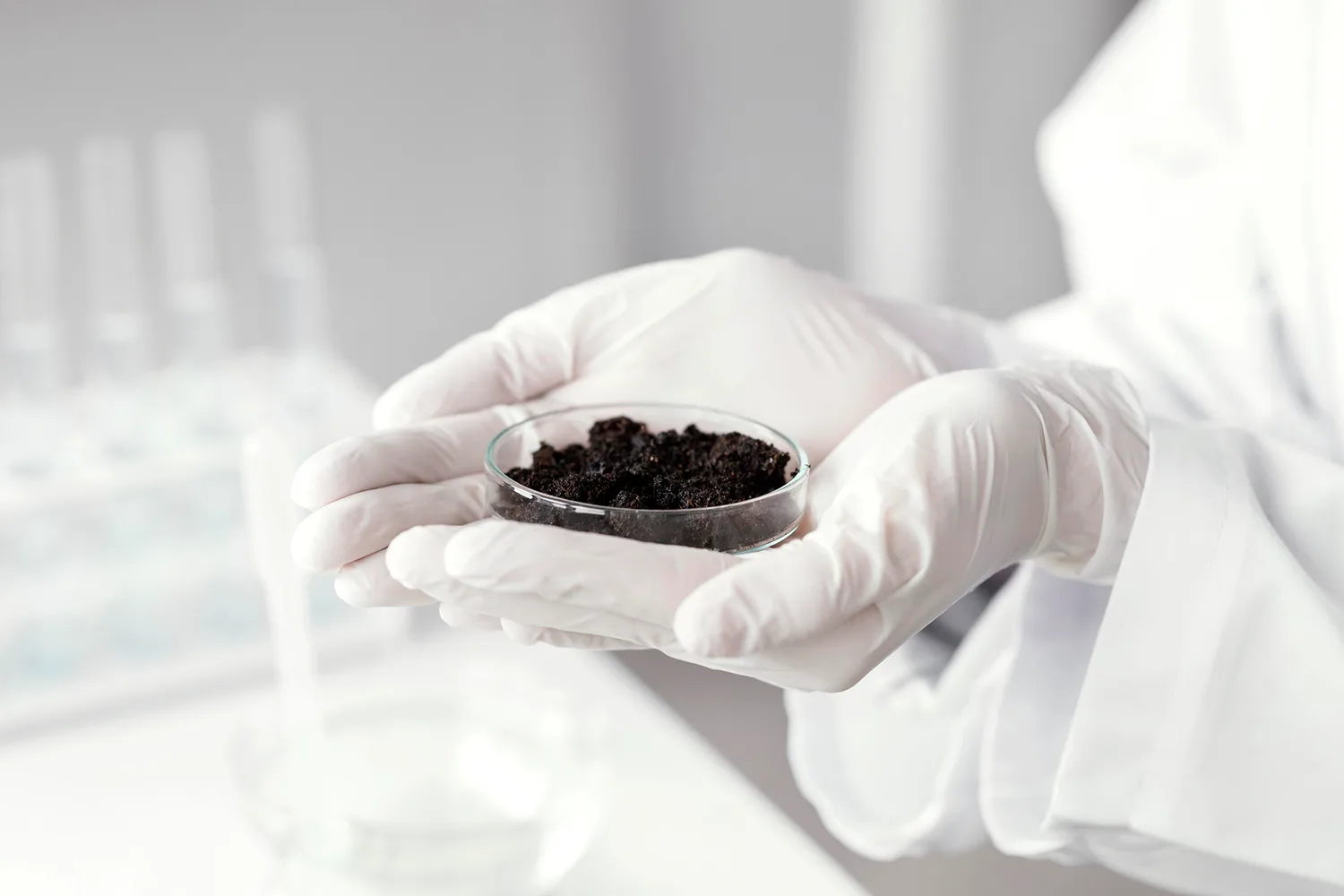
At BioRangers, we carry out tests to confirm "suitability" using soil and groundwater from the actual site. Conducting tests in advance makes it possible to draw up a lean, waste-free remediation plan and to make high-precision decisions.
- Evaluate inhibition and material applicability through changes in microbial counts
- Determine whether remediation goals can be achieved based on contaminant concentration trends
- Assess the need for pretreatment or the combined use of methods
STEP BY STEP
Service Flow
How it works
- 1Inquiry
- 2Sample shipment
- 3Degradation test
- 4Results report
Suitable → draw up a remediation plan
Not suitable → consider pretreatment or combined methods
* Test results are reported approximately 2–4 weeks after the samples arrive.
WHAT WE MEASURE
Test Overview
| Soil & groundwater | Wastewater | |
|---|---|---|
| Required samples | Actual contaminated soil (1–2 kg) Actual contaminated groundwater (500 mL and up) | Wastewater (500 mL–20 L) * depends on the test method |
| Test period | From 1 week (negotiable) | From 3 days (negotiable) |
| Analysis & measurement items | pH, nitrogen & phosphorus concentration, microbial count / oil odor & oil sheen / TPH & VOC concentration, etc. | pH, nitrogen & phosphorus concentration, microbial count / odor & clarity / * official analysis available as an option |
| Turnaround | 2–4 weeks (depending on the test period) | 1–2 weeks (depending on the test period) |
IN THE FIELD
On-Site Pilot Testing
As a step that bridges laboratory treatability testing and actual application in the field, we can also conduct an on-site pilot test. This confirms the influence of site factors such as the distribution of contamination and groundwater flow, and reflects the results and any issues in the construction plan.
| Laboratory test | On-site pilot test | |
|---|---|---|
| Purpose | Confirm inhibition of microbial growth | Confirm the influence of site factors (distribution, flow) |
| Overview | Materials are added to site soil and groundwater, and applicability is evaluated using before-and-after data | A test plot is set up on site, and materials are actually applied for evaluation |
| Characteristics | Simple and fast / site factors cannot be evaluated directly | A comprehensive evaluation that reflects site factors / results feed into the design |
DURING REMEDIATION
Remediation Progress Monitoring
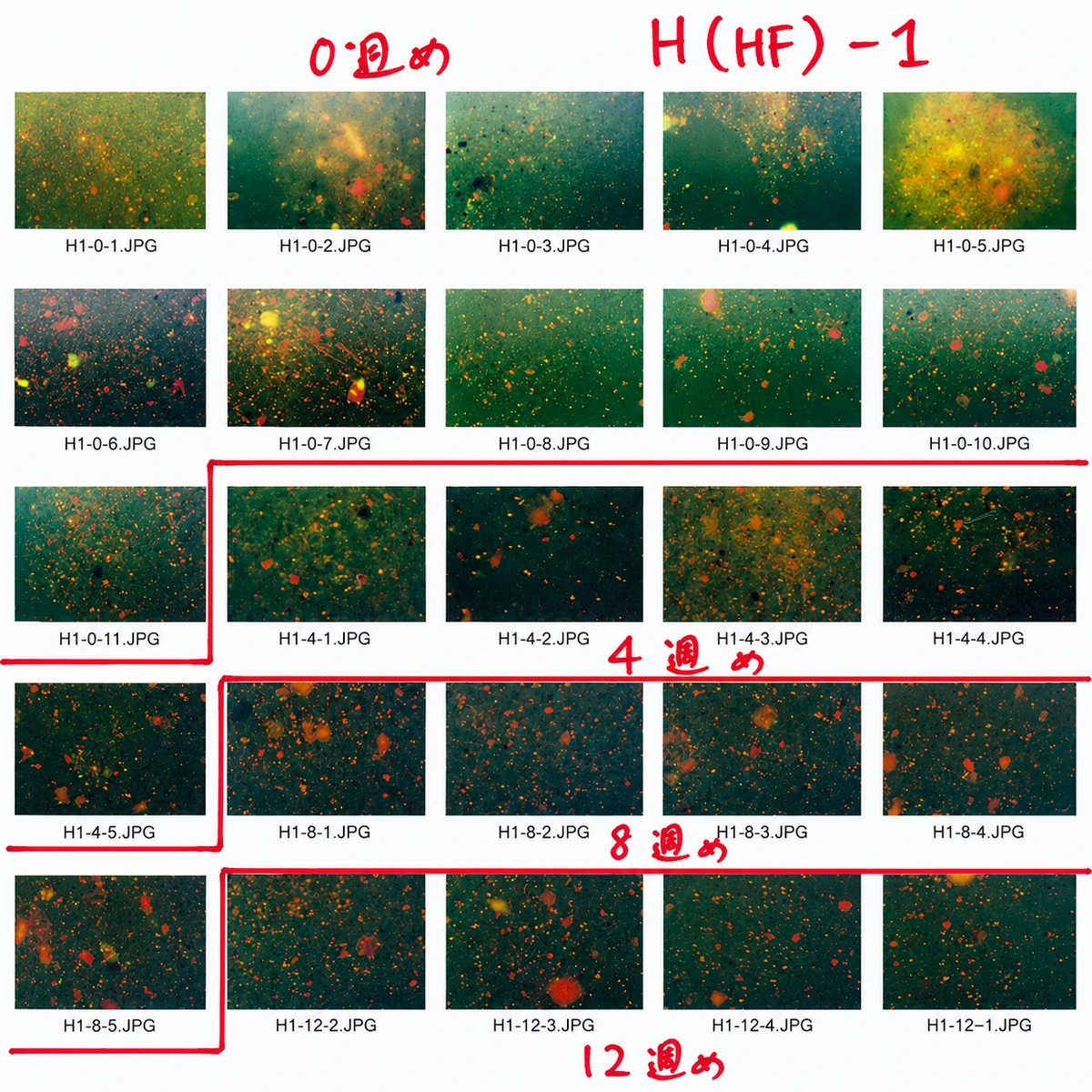
During remediation work (countermeasures), regular monitoring is required to confirm whether the environment is one in which microbes can function properly. We collect soil and groundwater, perform analysis and measurement, monitor conditions on site, and organize the resulting data to decide on the next steps, such as adding nutrients and bio formulations or supplying moisture and oxygen.
WHAT WE TRACK
Monitoring Overview
We assess whether the environment is one in which microbes can continue to function, and confirm that remediation is progressing properly. When necessary, we also check the condition of the soil and groundwater directly on site.
| Item | Details |
|---|---|
| Periodic sampling & analysis | We periodically collect soil and groundwater and analyze and measure the required items. |
| On-site confirmation | When necessary, we check the condition of the soil and groundwater on site. |
| Data organization & evaluation | We organize the acquired data and decide whether to add nutrients and bio formulations or to supply moisture and oxygen. |
FAQ
Frequently asked questions
What is a treatability test?
A laboratory test using soil or groundwater from the actual site to confirm that the microbes can degrade that particular contamination. It is always done before the remediation plan is drawn up and is the basis for the method, quantities and schedule.
Related page: What is bioremediation?
What do you measure?
Changes in microbial counts, the trend in contaminant concentration, remaining nutrients and pH. If microbial growth is not inhibited and the concentration falls, bioremediation is judged applicable at that site.
Related page: Microbial products
How long does the test take, and how much sample is needed?
Soil tests usually run one to two weeks; groundwater (VOC) tests two to six weeks, sampled at points such as day 0, 7, 14 and 28. The sample volume depends on the test design and is confirmed when you contact us.
Related page: Contact us about a test
Can we order just the test?
The test is one step in evaluating remediation. You receive the results as a report, which can be used to justify the bioremediation approach to a general contractor or landowner.
Related page: Consulting
What happens during monitoring?
During the works we sample and analyse soil or groundwater at set intervals, evaluating contaminant concentration, microbial counts and nutrient status. Product, nutrients, moisture and oxygen are adjusted accordingly, and remediation is declared complete once the target values are confirmed.
Related page: Remediation track record