What is Bioremediation?

What is Bioremediation?

What is Bioremediation?

The sustainable, next-generation remediation technology

Bioremediation is an environmentally friendly, sustainable remediation technology that renders contaminants such as oil and VOCs (volatile organic compounds) harmless by harnessing the natural breakdown capabilities of microbes, fungi, and plants. Unlike excavation or chemical treatment, it does not generate large volumes of waste or cause secondary contamination, and a major advantage is that it can be performed in situ at low cost. Our bioremediation primarily targets soil and groundwater contaminated with petroleum hydrocarbons such as gasoline, diesel, kerosene, heavy oil, and crude oil, advancing remediation efficiently by harnessing the power of microbes. It can be applied even at sites where contamination has spread deep underground or beneath structures, and because it remediates while keeping the burden on the surrounding environment and ecosystems to a minimum, it is being adopted across a wide range of fields, including fuel facilities, former factory sites, and former gas station sites.
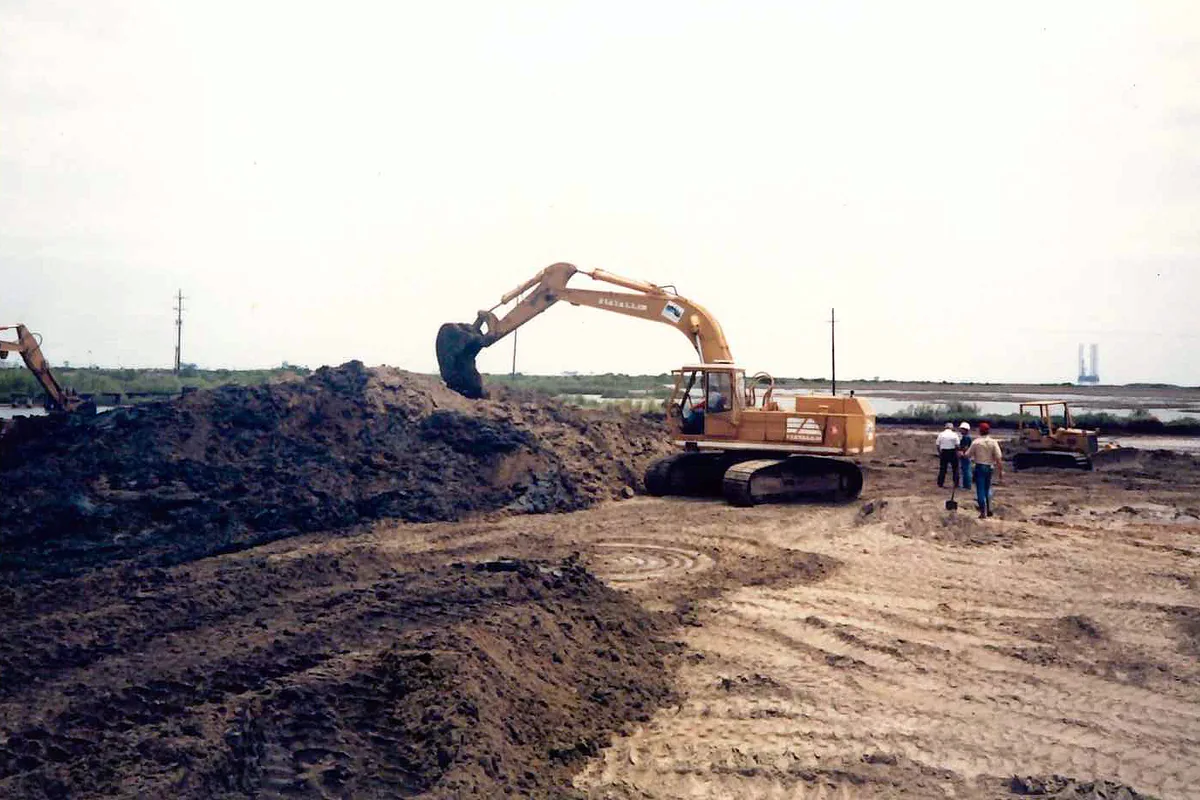
Coastal oil contamination from a petroleum spill
Comparison with other methods

Bioremediation

  • Minimal environmental impact
  • Low cost and sustainable
  • No excavation; easy to keep operations running
  • Stable results over the short to medium term

Excavation and removal

  • Large volumes of contaminated soil must be hauled out, causing waste to surge
  • Very high cost due to heavy machinery, transport, and disposal fees
  • Heavy burden on the ground and ecosystems from site alteration

Groundwater pumping

  • Contamination sources tend to remain, making complete remediation difficult
  • Operating and maintenance costs accumulate, driving up the total
  • Premised on long-term treatment lasting years

Chemical breakdown

  • Heavy burden on ecosystems
  • Chemicals and additional treatment are expensive, increasing cost
  • Possibility of re-treatment within the short to medium term
CHARACTERISTICS

Features

01

Strong at breaking down oil and VOCs

Bioremediation is a method that harnesses the action of microbes to break oil and VOCs (volatile organic compounds) down into water and carbon dioxide. The natural world is home to a wide variety of microbes, and among them are some that have the ability to break down contamination as an energy source. This technology uses the power of such microbes to remediate contaminated soil and groundwater efficiently.
02

Low environmental impact

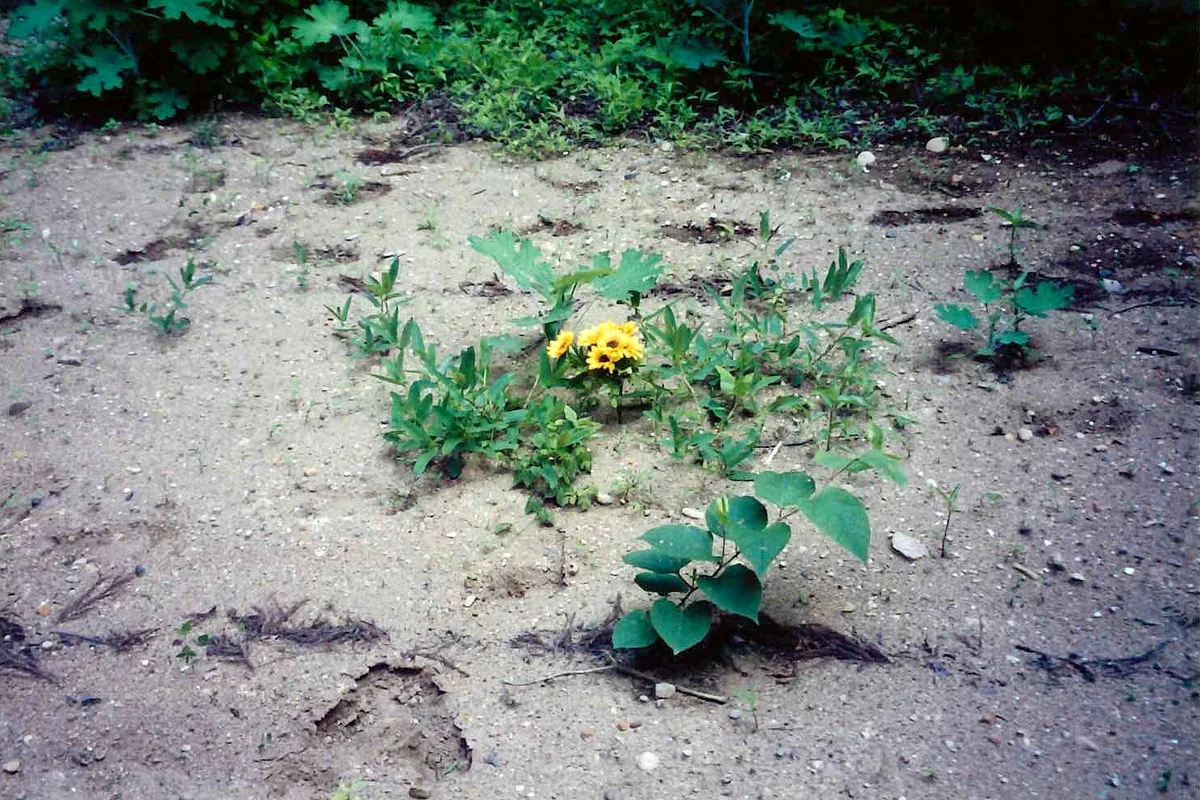
Bioremediation is a method that requires no waste or secondary treatment and can remove contaminants on site. Because there is no need to move contaminated soil or groundwater, there is no concern about waste, and since the microbes also attenuate naturally after breakdown, the impact on ecosystems is also minimal. Compared with chemical and physical methods, it is the lowest-impact remediation method.

03

High cost performance

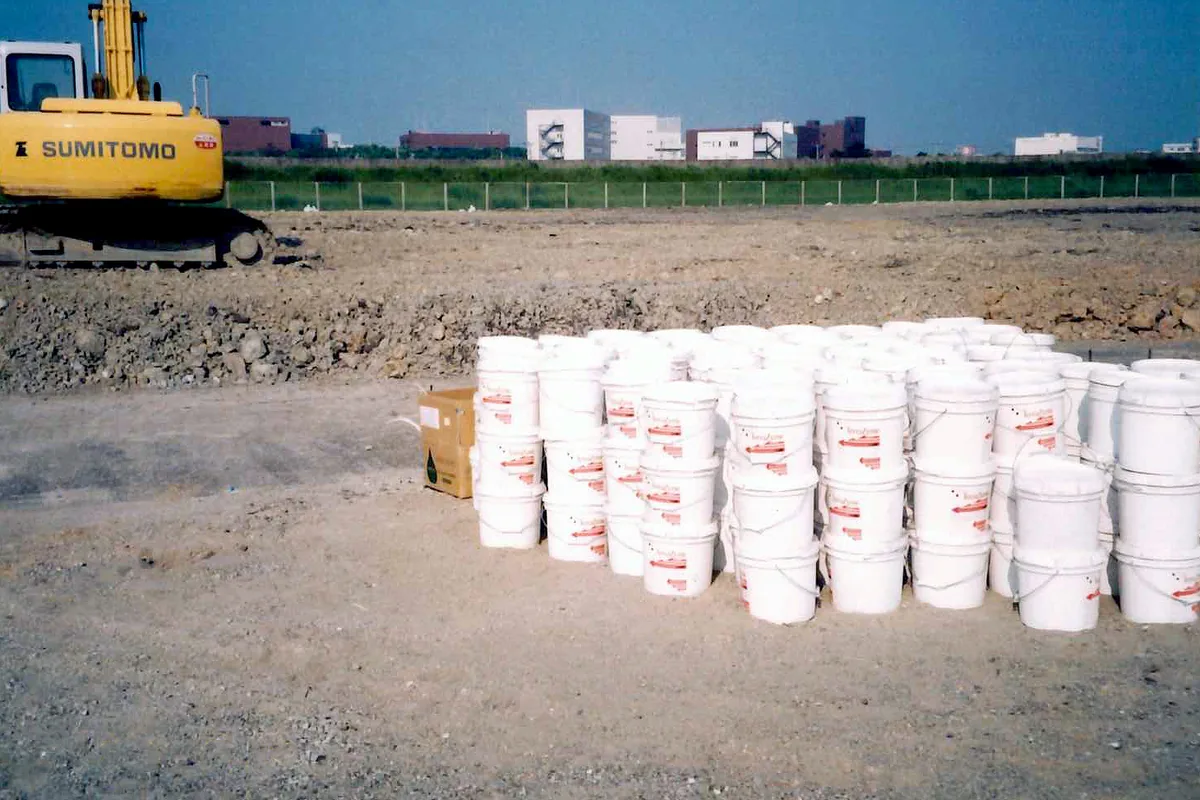
Bioremediation achieves low-cost, efficient remediation without requiring large-scale equipment or construction. Microbe-derived bio-agents and nutrients are introduced directly, and because there is no need to haul material off site, it delivers high cost performance.

BIOREMEDIATION APPROACHES

Two approaches, and the method we adopt

Bioremediation comes in two methods: bioaugmentation and biostimulation.
We adopt bioaugmentation, which is highly reliable and can remediate in a short period.

BIOAUGMENTATION

Bioaugmentation

This method introduces proven microbes capable of breaking down the target contaminant and maximizes their action. Because it uses microbes with guaranteed breakdown capability, it can be expected to deliver reliable remediation in a short period. It is the approach we adopt, and it allows remediation to be designed to fit each site.

BIOSTIMULATION

Biostimulation

This method supplies oxygen and nutrients to the microbes already present at the site. However, if there are not enough microbes with breakdown capability, breakdown may barely progress. As a result, the effect is unstable.