WITH SURFACTANT
With a surfactant
The surfactant breaks the oil into fine droplets, greatly increasing its surface area. Microbes reach the oil easily and break it down quickly.

Surfactants have an emulsifying action that finely disperses oil to increase its surface area and make it blend more readily with water, and they also improve the fluidity of oil. This improves contact efficiency with microbes and is expected to promote bioremediation. While they act quickly against oil odors and oil sheens, this is only a temporary effect — the oil itself is not removed from the soil or groundwater. The surfactants handled by BioRangers are green surfactants that are gentle on both the environment and microbes. By dispersing oil into finer particle sizes, they make it easier for microbes to access the oil, so the breakdown process proceeds more efficiently.
The surfactant breaks the oil into fine droplets, greatly increasing its surface area. Microbes reach the oil easily and break it down quickly.
The oil stays in large blobs. Microbes can only reach the surface, so breakdown takes far longer.
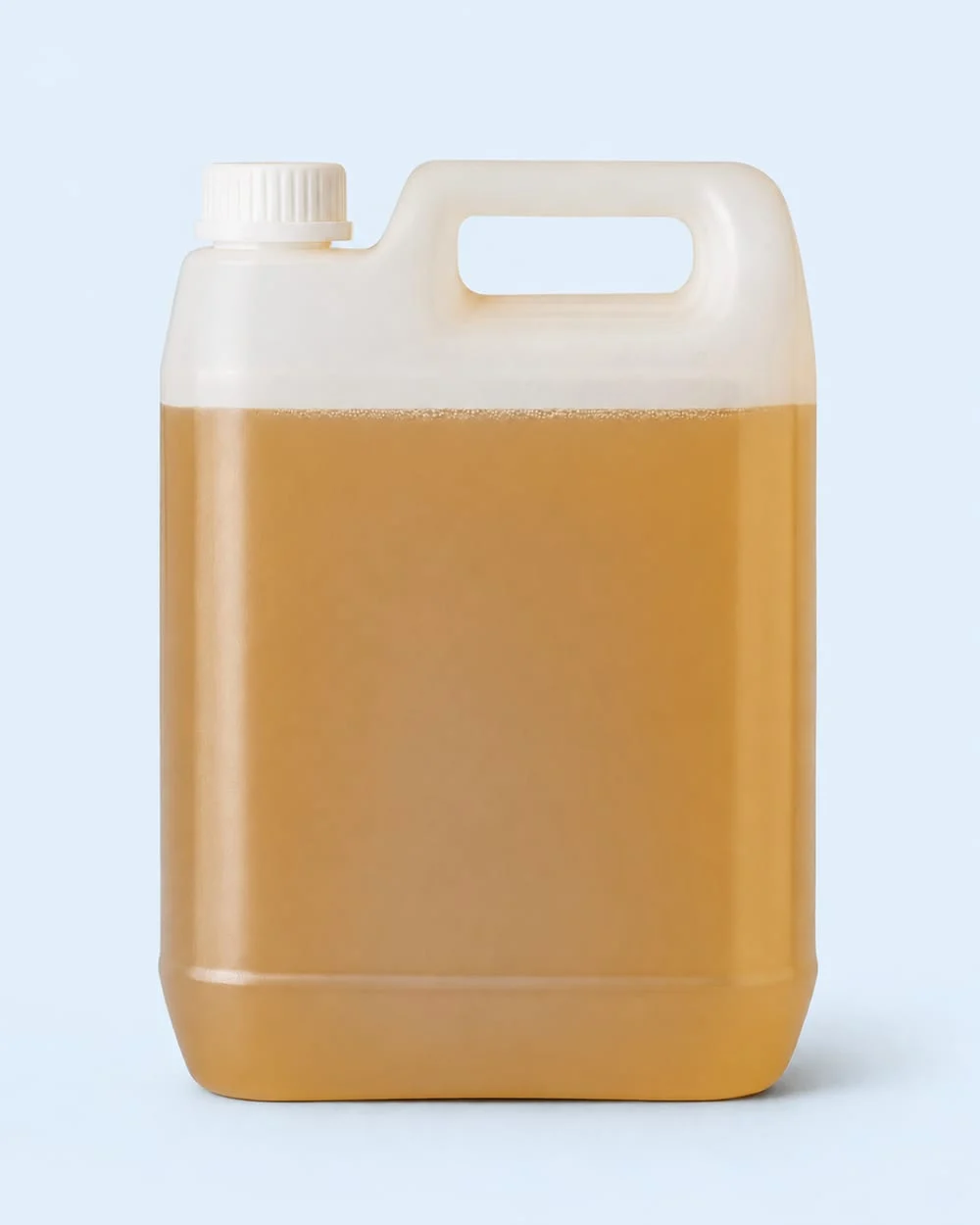
A liquid-type surfactant. It can be used as a supplementary agent in the bioremediation of oil-contaminated soil and groundwater, and it is also effective for controlling oil odors during excavation.
| Application | Remediation of oil-contaminated soil and groundwater |
|---|---|
| Composition | A non-ionic surfactant made up of plant-derived alcohol and glucose |
| Appearance | Pale yellow liquid |
| Packaging | 25 kg poly-tank / 220 kg closed poly-drum |
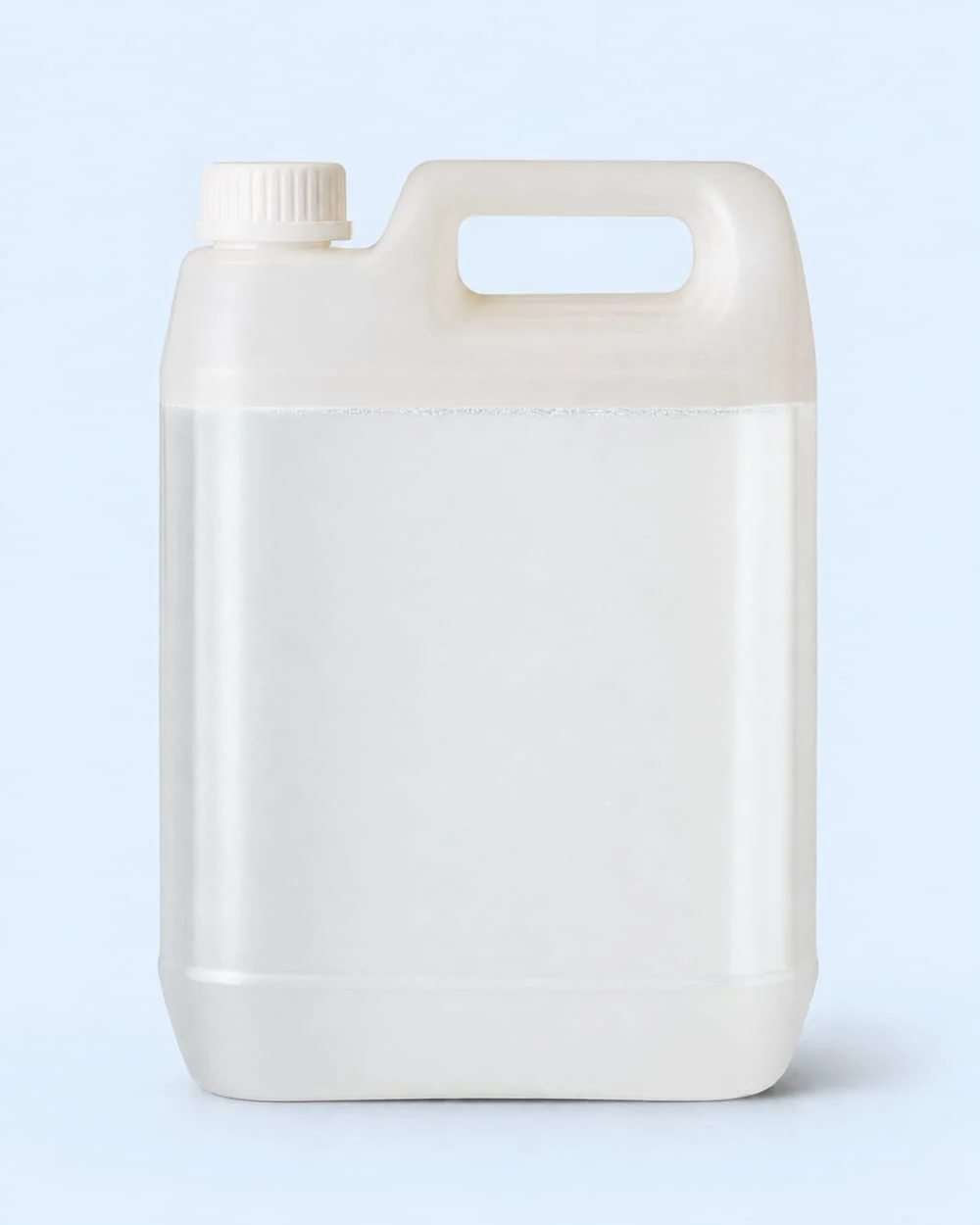
A powder-type surfactant. This product has a high content of surface-active ingredients.
| Application | Remediation of oil-contaminated soil and groundwater |
|---|---|
| Composition | An anionic surfactant derived from palm oil |
| Appearance | White powder |
| Packaging | 25 kg bag |
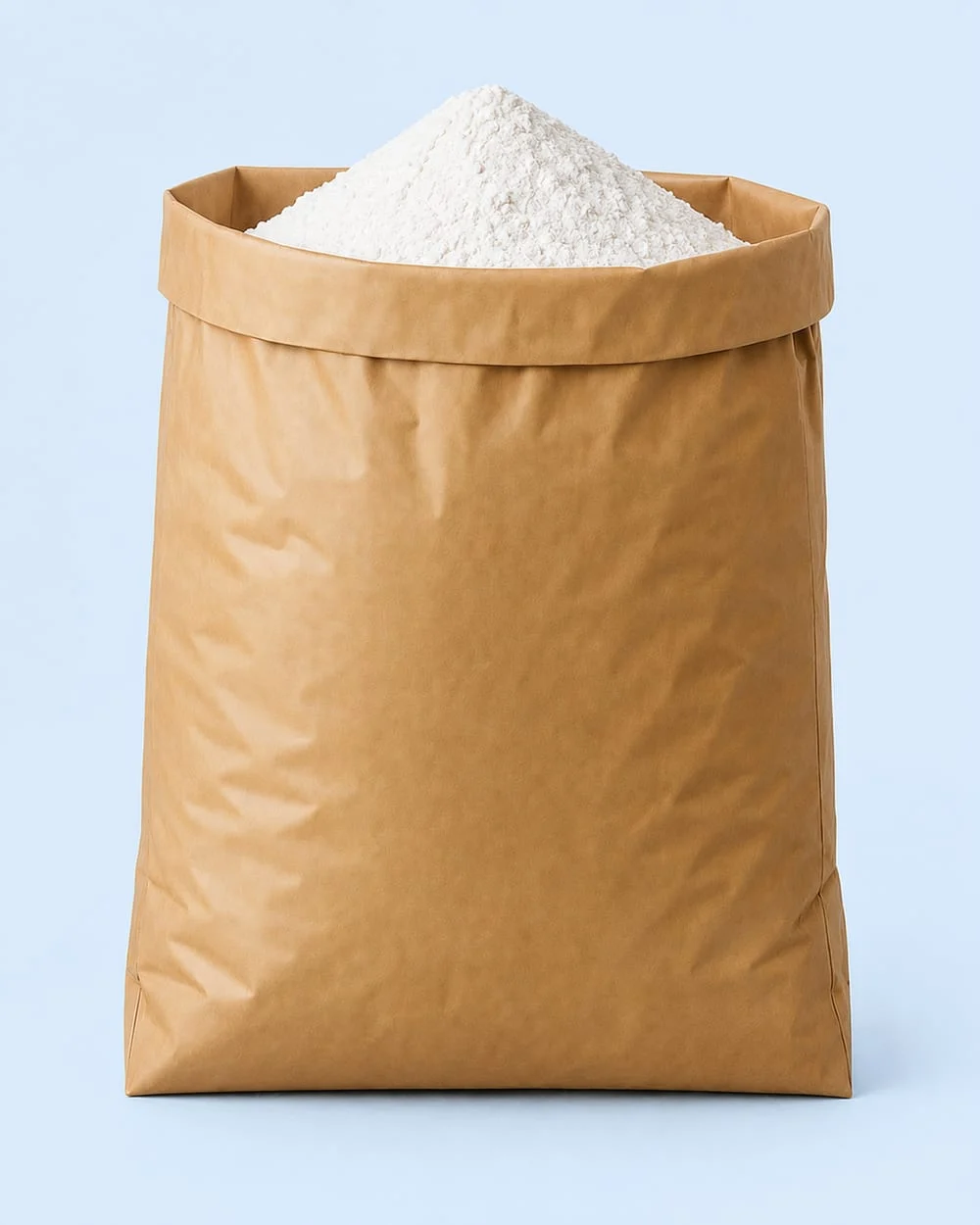
A surfactant produced by microorganisms (a biosurfactant) with high environmental compatibility. It can be used as a supplementary agent in the bioremediation of oil-contaminated soil and groundwater.
| Application | Remediation of oil-contaminated soil and groundwater |
|---|---|
| Composition | A yeast-derived surfactant (sophorolipid®) |
| Appearance | Clear brown liquid |